Resetting Relationships: What I Learned From My Therapist
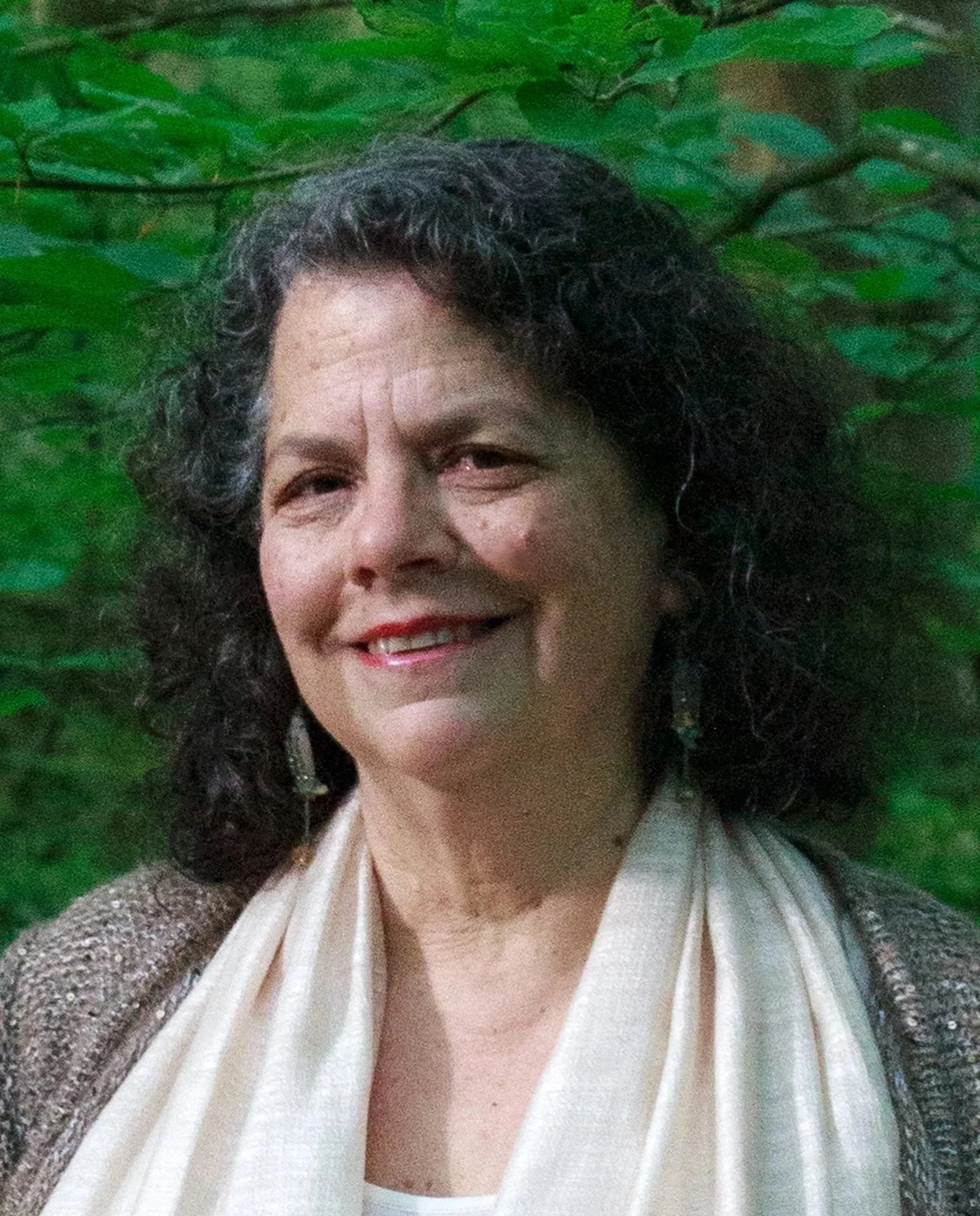
A conversation with Marjorie Oberman Douillard -www.honestemotionstherapy.com - on creating a therapeutic approach grounded in deep listening, emotional patterns, and helping relationships transform.
Marjorie offers individual and couples therapy, bilingual and intercultural. In her month-long, couples intensive, Relationship Reset, she helps partners break out of the emotional patterns that keep them stuck and guides them toward more conscious and responsive relating. Couples learn tools they can use after the Reset; they come away better equipped to navigate differences with compassion and clarity.
Some professional relationships stay with you long after they formally end.
Years ago, Marjorie Oberman Douillard was my therapist. Today, she is also a colleague and someone whose work I deeply respect and from which I continue to learn. When I began thinking about writing an article for my website about the therapists who influence my own thinking and practice, Marjorie was the first person who came to mind.
We recently sat down for a long conversation over video to reflect on her career, her philosophy of therapeutic work, and the path that eventually led her to focus primarily on helping couples repair and transform their relationships. ‘
Marjorie’s approach emerged slowly through practice and years of paying attention to what actually helps people change. Her belief in her own experience of emotional awareness, release, and integration has created a uniquely grounded and profound therapeutic approach. Listening to her describe that evolution, I was struck by something that often gets overlooked in discussions of therapy: the most meaningful approaches rarely begin as theories.
What struck me most during our conversation, and what I remember vividly from working with her years ago, is Marjorie’s rare ability to perceive the emotional dynamics unfolding both within individuals and within the relational space between them. This capacity has been deeply inspiring to me, both as a former client and now as a colleague, because it allows people to feel profoundly seen and understood. It is a skill that reflects decades of experience and a highly developed intuition – qualities that Marjorie embodies fully in her work.
Marjorie’s path did not follow a straight line. Instead, it unfolded organically through a series of experiences that gradually led her deeper into the study of relationships. Marjorie’s professional journey began in New York City, where she worked as a young social worker. In an aged care facility Marjorie managed a caseload of nearly 200 elderly clients, immersing herself in the daily realities of aging, family systems, and the complex ties that bind generations together. The experience left a lasting imprint. In graduate school, she wrote her thesis on intergenerational dynamics, an early intellectual thread that would later resurface in her private practice.
Marjorie’s focus on efficacy and achieving results in a short amount of time, a contre-coup to the long-term stance of psychoanalysis, evolved from her Post-Graduate Studies in the Contextual Approach to Psychotherapy. This course of study would go on to shape the distinctive way Marjorie listens and works with people in the therapy room.
When Marjorie moved to France from New York City, to join the Frenchman who would become her husband, she first lived in the small town of Saumur in the Loire Valley. Disorienting culture shock and the struggle to express herself in French became an unexpected turning point. The absence of familiar reference points opened the door to a deeper journey of self-discovery.
During this time she trained in Jin Shin Jyutsu, a Japanese somatic healing art. The hands-on practice works with 26 energy points on the body and can be used for self-help. It addresses well-being across the mental, emotional, physical, and spiritual dimensions. As a Jin Shin Jyutsu practitioner, Marjorie expanded beyond using only words to process emotions. She started on the path of mind-body work she follows today.
At this time, Marjorie also engaged in emotional release work to help process the transition of moving to France. Expressing deeply held feelings through sound and movement had a healing effect that inspired her to incorporate emotional release into her psychotherapy practice, which she returned to when she moved to the Paris area. She gave her practice the name Honest Emotions Therapy.
With her focus now on anglo-phone expats, she began to focus on going deeper into emotions with her clients, using movement and sound to help people express themselves. The biggest problem, according to Marjorie, is not the emotions themselves but rather your judgments and beliefs about your emotions that keep you stuck.
For example, many women are tentative about expressing anger – “good girls don’t get angry.” Marjorie’s women clients gain a new lease on life when they can vent their anger through sound, movement, and verbal expression. Several young women clients saw the potential of this work in relating to their mothers. Bringing mothers and daughters together in the therapy room allowed for the expression of anger, guilt, and rebellion. By verbalizing the unspoken expectations, the misunderstandings, and the inherited patterns, the dynamics shifted. Marjorie explained, “When two people can step outside the story they’ve been telling about each other, something new becomes possible.”
As she describes it:
“My work evolved naturally through the relationships themselves. Individual therapy led to mother–daughter therapy, and eventually to working with couples. It was an organic unfolding based on the emotional work happening in the room.”
More about Marjorie’s work on www.honestemotionstherapy.com